TL;DR: Dropshipping can still be worth it in 2026 if you treat it like a real business—not a shortcut. Plan for $500–$2,000 to test products and ads, commit 10–20 hours per week, and expect a 3–6 month learning curve before consistent profit. The industry is growing fast, but most beginners quit early because they underestimate marketing, shipping expectations, and customer support.
Last updated: February 2026
Social media makes dropshipping look effortless: pick a product, launch a store, run ads, and watch sales appear.
In reality, dropshipping is simple to start—but hard to master. The model isn’t dead in 2026. What’s dead is low-effort dropshipping with slow shipping, weak branding, and no customer trust.

What Is Dropshipping and How Does It Work?
Dropshipping is an ecommerce model where you sell products online without holding inventory. When a customer orders from your store, you purchase the item from a supplier who ships it directly to the customer. You earn the difference between your selling price and supplier cost—minus fees and advertising.
Here’s the flow in plain terms:
- You list a product for $30
- A customer buys it
- You buy it from the supplier for $12
- The supplier ships it to your customer
- You keep the margin (after fees + ads)
The most common setup is a Shopify store connected to suppliers through AliExpress tools or sourcing apps. If you want a structured learning path, a dropshipping course like Biaheza’s can shorten the trial-and-error phase.
Is Dropshipping Still Worth It in 2026?
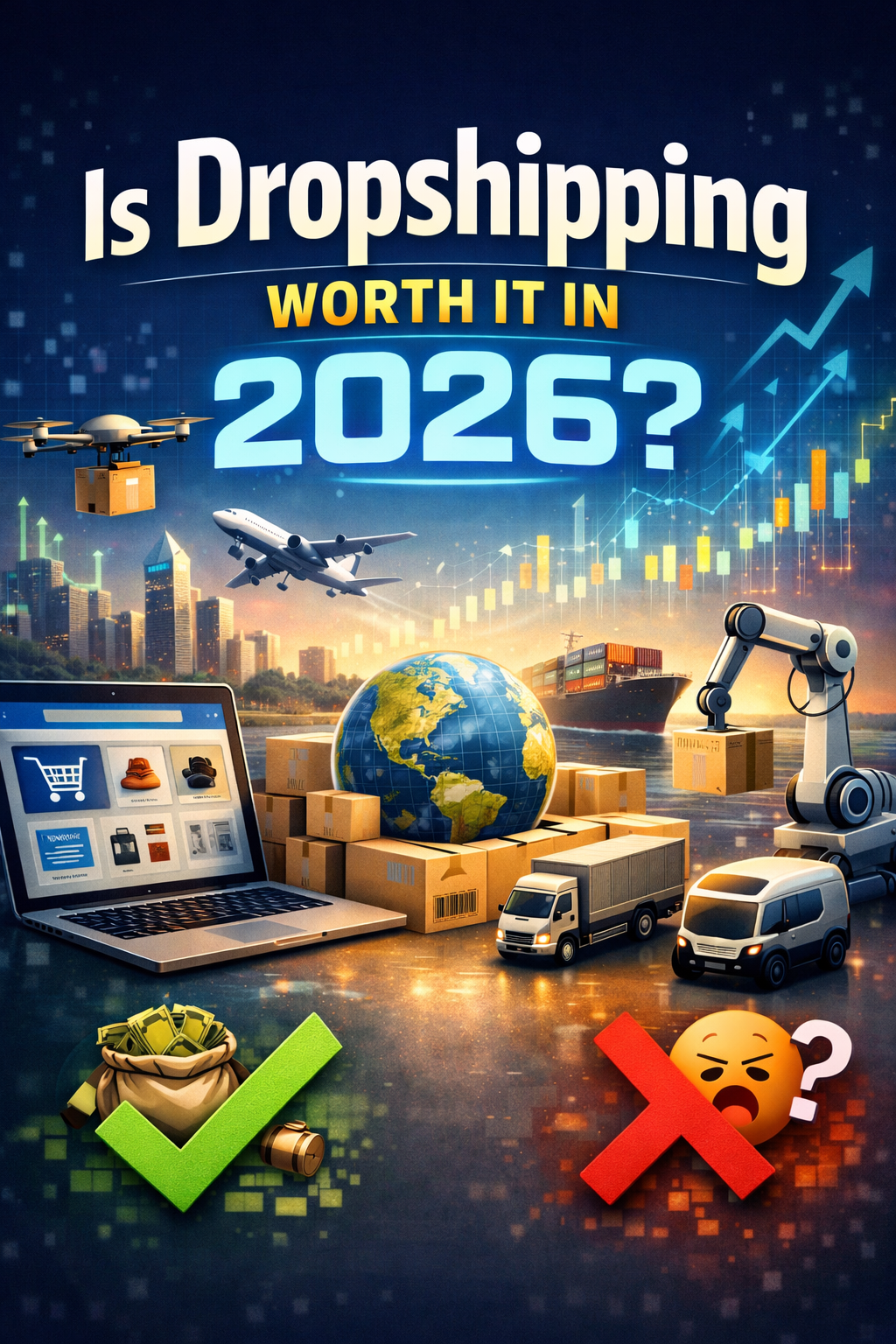
Yes—dropshipping can still work in 2026, but the game changed. Competition is higher, ad costs are tougher, and customers expect faster delivery. The opportunity is real, but it rewards people who build trust and operate like a brand.
Market research suggests the industry is still expanding. For example, Grand View Research projects strong growth through 2030—so demand isn’t the problem. Execution is.
Here’s what many “guru” videos skip:
- Most beginners quit before they collect enough ad data to optimize
- Thin margins make refunds and chargebacks painful
- Slow shipping destroys trust and increases disputes
- Winning in 2026 usually requires better sourcing + better branding
How Much Money Can You Make Dropshipping?
Most beginners earn modest profit early on. Some stores reach strong numbers, but typically after months of testing, refining creatives, improving conversion rates, and reinvesting into ads.
| Level | Monthly Revenue | Typical Profit Margin | Estimated Take-Home |
|---|---|---|---|
| Beginner (Month 1–3) | $1,000–$3,000 | 10–15% | $100–$450 |
| Intermediate (Month 4–12) | $5,000–$15,000 | 15–20% | $750–$3,000 |
| Advanced (Year 2+) | $30,000+ | 20–30% | $6,000–$9,000 |
The key takeaway: dropshipping margins are often thin. One reason successful sellers eventually move into private label or faster local fulfillment is to improve delivery speed, trust, and profitability.
Pros of Dropshipping in 2026
- Low startup cost: You can start without buying inventory upfront.
- Fast product testing: If a product fails, you pivot quickly.
- Scalable operations: Suppliers handle fulfillment complexity.
- Location flexibility: You can run a store from anywhere with internet.
Cons of Dropshipping (The Real Risks)
- Razor-thin margins: ads + refunds can wipe out profits fast.
- Shipping expectations: slow delivery increases chargebacks and complaints.
- Limited control: supplier mistakes become your customer service problem.
- High competition: copying the same “winning product” rarely works long-term.
How Much Does It Cost to Start Dropshipping on Shopify in 2026?
A realistic first-year budget is usually $1,000–$2,500, depending on how serious you are about testing ads and building the store properly.
| Expense | Estimated Cost |
|---|---|
| Shopify subscription (Year 1) | $348 |
| Domain | $12 |
| Apps (reviews, email, sourcing) | $240–$600 |
| Ad testing budget | $500–$1,500 |
| Product samples | $50–$100 |
If you’re using Shopify, it’s worth reading Shopify’s dropshipping guide to understand platform expectations and fundamentals.
Why Most Dropshipping Stores Fail
Most stores fail because of poor product research, weak marketing, not enough budget for testing, and quitting too early. Many people run ads for a few days, don’t get results, and assume the business model doesn’t work.
Industry data shared by Oberlo’s dropshipping statistics highlights how survival improves dramatically when sellers push beyond the early “testing months.”
Should You Start Dropshipping in 2026?
Start dropshipping in 2026 if you can invest money into testing, commit weekly time, and learn marketing seriously. Skip it if you expect quick money or passive income.
- Good fit: You’re patient, willing to learn ads, and can handle customer service.
- Bad fit: You need income immediately or you hate operational work.
Frequently Asked Questions
Can I make $10,000 per month dropshipping?
Yes, but usually not fast. Most stores that reach that level spend months testing products, improving creatives, building a brand, and scaling ad spend. It’s possible—but it’s not instant.
Is dropshipping legal?
Yes. Dropshipping is a legal retail model. However, you still need to follow local business and tax requirements and comply with platform rules.
How long does it take to make money?
Many sellers break even in the first 1–2 months (if they test properly). Consistent profit often takes 3–6 months of consistent effort and iteration.
Editorial Note: This article uses publicly available market research and industry statistics. Income ranges are estimates based on commonly reported outcomes across ecommerce communities. Results vary by niche, marketing skill, ad budget, and execution.